Forensic Medicine & Toxicology Department
GOAL
The goal of undergraduate education in Forensic Medicine is to develop physicians who possess a comprehensive understanding of the medicolegal responsibilities associated with the practice of medicine. They should be competent in making systematic observations, drawing logical inferences, and guiding inquiries appropriately in criminal cases and related medicolegal issues. Furthermore, they should acquire a sound knowledge of laws pertaining to medical practice, medical negligence, and uphold the principles and codes of medical ethics.
OBJECTIVES
At the end of the course, the student should be able to:
- Identify the basic medicolegal aspects of hospital and general practice.
- Define the medicolegal responsibilities of a general physician while rendering community service either in a rural primary health centre or an urban health centre.
- Appreciate the physician's responsibilities in criminal matters and respect for the codes of medical ethics.
- Diagnose, manage and identify also legal aspects of common acute and chronic poisonings.
- Describe the medicolegal aspects and findings of post-mortem examination in case of death due to common unnatural conditions & poisonings.
- Detect occupational and environmental poisoning, prevention and epidemiology of common poisoning and their legal aspects particularly pertaining to Workmen's Compensation Act.
- Describe the general principles of analytical toxicology.
- Medical jurisprudence in the context of Bangladeshi law recognizes the legal accountability of medical practitioners under the prevailing consumer protection and professional regulatory frameworks. Physicians fall within the scope of the Consumer Rights Protection Act, 2009, which ensures that patients, as consumers, are entitled to safe, ethical, and competent medical services. Consequently, medical practitioners have both rights and responsibilities—they are entitled to professional protection and fair treatment under the law, while also being legally bound to maintain due diligence and standards of care. Acts of medical negligence may attract liability under the Penal Code of Bangladesh (Sections 304A, 337, and 338), the Consumer Rights Protection Act, 2009, and relevant provisions of medical insurance policies, which provide coverage and safeguards for practitioners when discharging their professional duties responsibly.
INFRASTRUCTURE
- Lecture theatre:Common Lecture Theatre shared with other Department.
- Demonstration room:There are be two demonstration rooms (60 sq. m. area) fitted with strip chairs, Over head projector, Slide projector, white board to accommodate at least 80 students at a time.
- Museum:a museum (175 Sq.m. area) to display medico-legal specimens charts, models, prototype fire arms, wax models, slides, poisons, photographs etc. with seating arrangements for 40-50 students.
- Laboratory:a laboratory (200 Sq.m.area) for examination of specimens, tests and Forensic histopathology, Serology, anthropology and toxicology.
- Departmental Library:A Departmental library-cum-seminar room (30 Sq.m.area) with at least 40-50 books. However, not more than two copies of any book shall be counted towards computation of the total number of books.
- Research:There shall be one research laboratory (50 Sq.m.area) for research purposes.
ACADEMIC ACTIVITIES
- Academic activities form the Cornerstone of the Department's mandate. The Faculty conducts lectures tutorials and practical classes for undergraduate medical (MBBS) students according to the prescribed curriculum and timetable. Teaching is delivered through both in-person and online modalities ensuring continuity of Education even in challenging times. Students learn the principles of forensic medicine, including forensic pathology (study of causes manner/manner of death), clinical forensic medicine (examination of injury and assault cases), toxicology (study of poison).
- Conduct departmental exam twice each year (1st term and 2nd term exam) followed by supplementary exam each term on need basis.
- The lecturer administers item-based examinations after the completion of each topic discussed in the lecture sessions, followed by a card examination upon the completion of 15 out of the total 30 items within a term.
- The Department of Forensic Medicine and Toxicology conducts the Second Professional MBBS Examination under the affiliation of the University of Dhaka.
- The Department of Forensic Medicine and Toxicology aims to organize poster competition on the occasion of World Forensic Day on the 6th March every year.
- The Department of Forensic Medicine and Toxicology organizes practical sessions on autopsy and medico-legal examination of assault cases in collaboration with the Dhaka Medical College morgue.
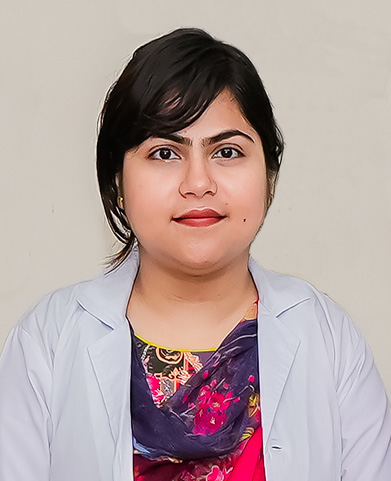
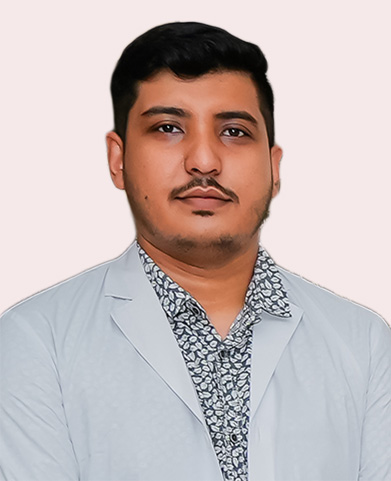
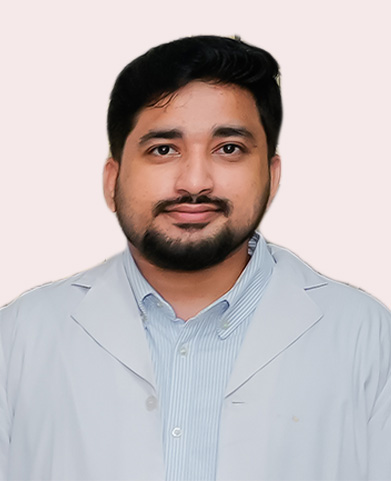
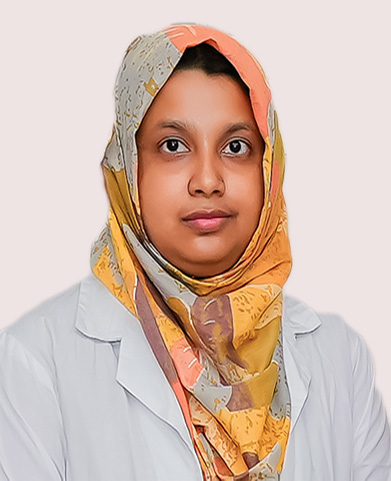
Meet Our Faculty Members

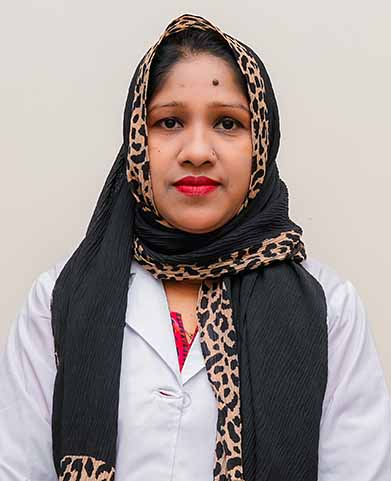
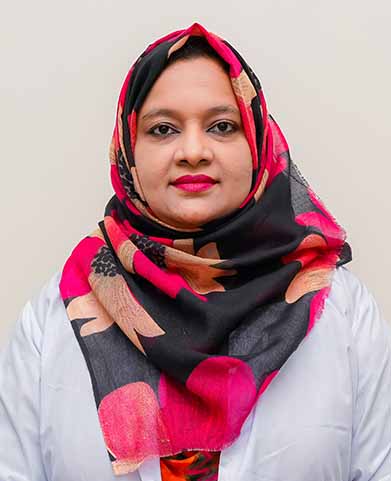
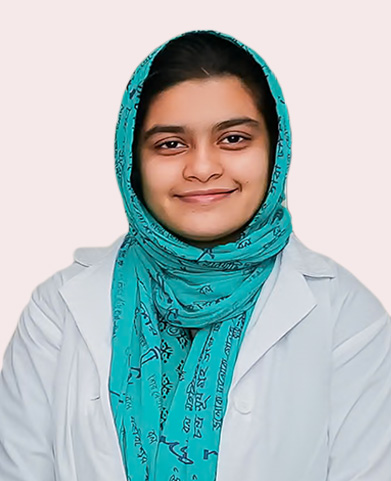
- Dr. Rity Khatun.jpg)
- Dr. Umme Faizunnesa.jpg)